Fiberglass vs. Concrete Pools: Which Is Right for You?
Trying to decide between a fiberglass and concrete pool? We break down the real differences in cost, maintenance, durability, and design so you can make the right call.
Fiberglass vs. Concrete Pools: Which Is Right for You?
One of the first questions homeowners ask when planning a new pool is simple: fiberglass or concrete? Both are excellent options — but they are very different products, and the right choice depends on your budget, your yard, your lifestyle, and how much time you want to spend on upkeep.
At LandPro, we install fiberglass pools exclusively through our San Juan Pools partnership. Here is an honest, side-by-side look at both options so you can make a confident decision.
What Is a Fiberglass Pool?
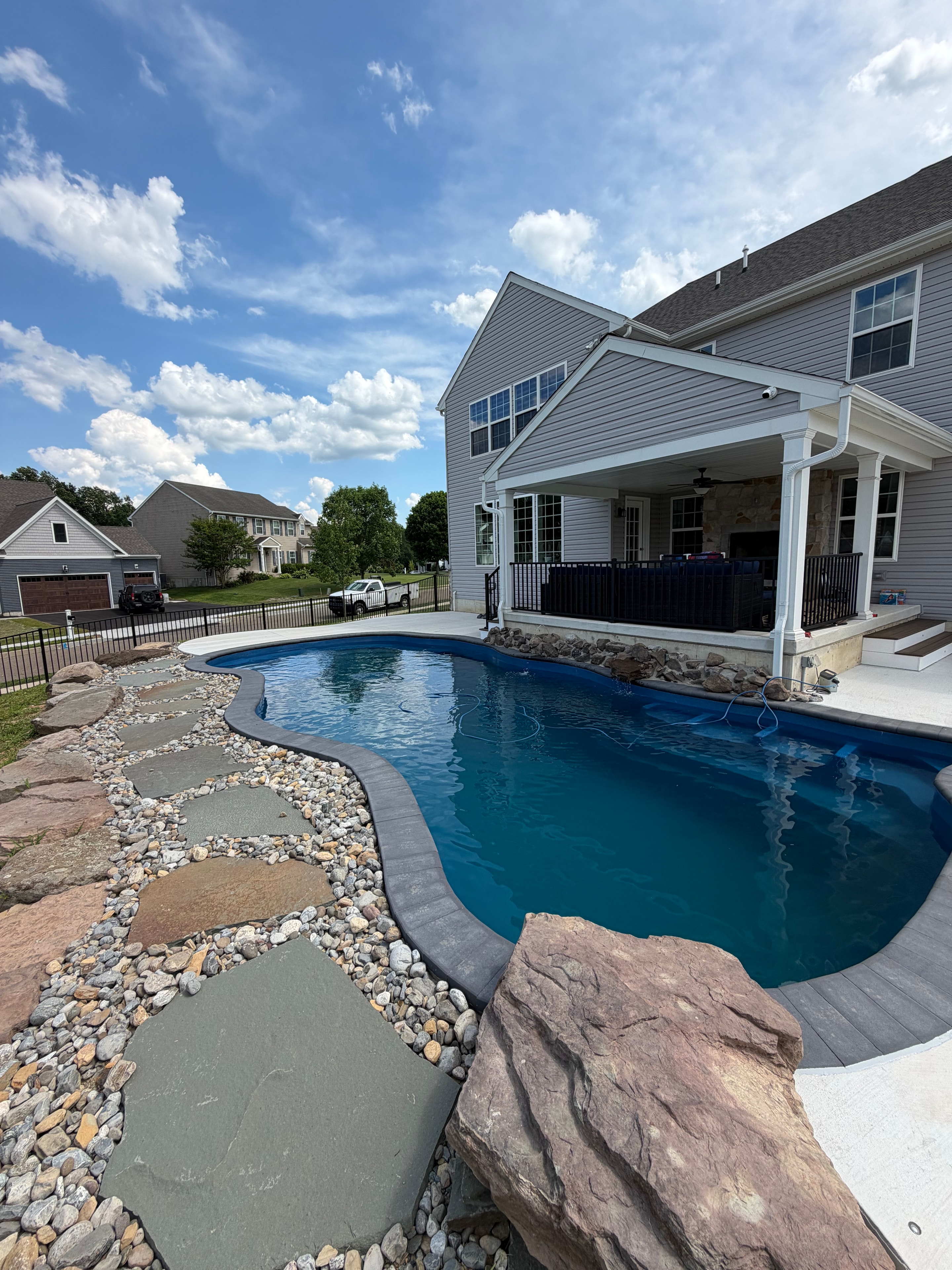
A fiberglass pool is a pre-molded shell manufactured off-site and installed in a single day. The shell is made from layers of fiberglass and resin, creating a smooth, non-porous surface that resists algae and requires far less chemical maintenance than concrete.
San Juan Pools — the brand we install — is the industry leader in fiberglass pool manufacturing, backed by a lifetime structural warranty. Once the shell is set, we handle all excavation, plumbing, electrical, and finishing work so you have one team from start to finish.
What Is a Concrete Pool?
A concrete pool (also called a gunite or shotcrete pool) is built entirely on-site. Workers spray a mixture of concrete and sand over a steel rebar framework, then plaster or tile the interior surface. Concrete pools can be built in virtually any shape or size.
Head-to-Head Comparison
Installation Time
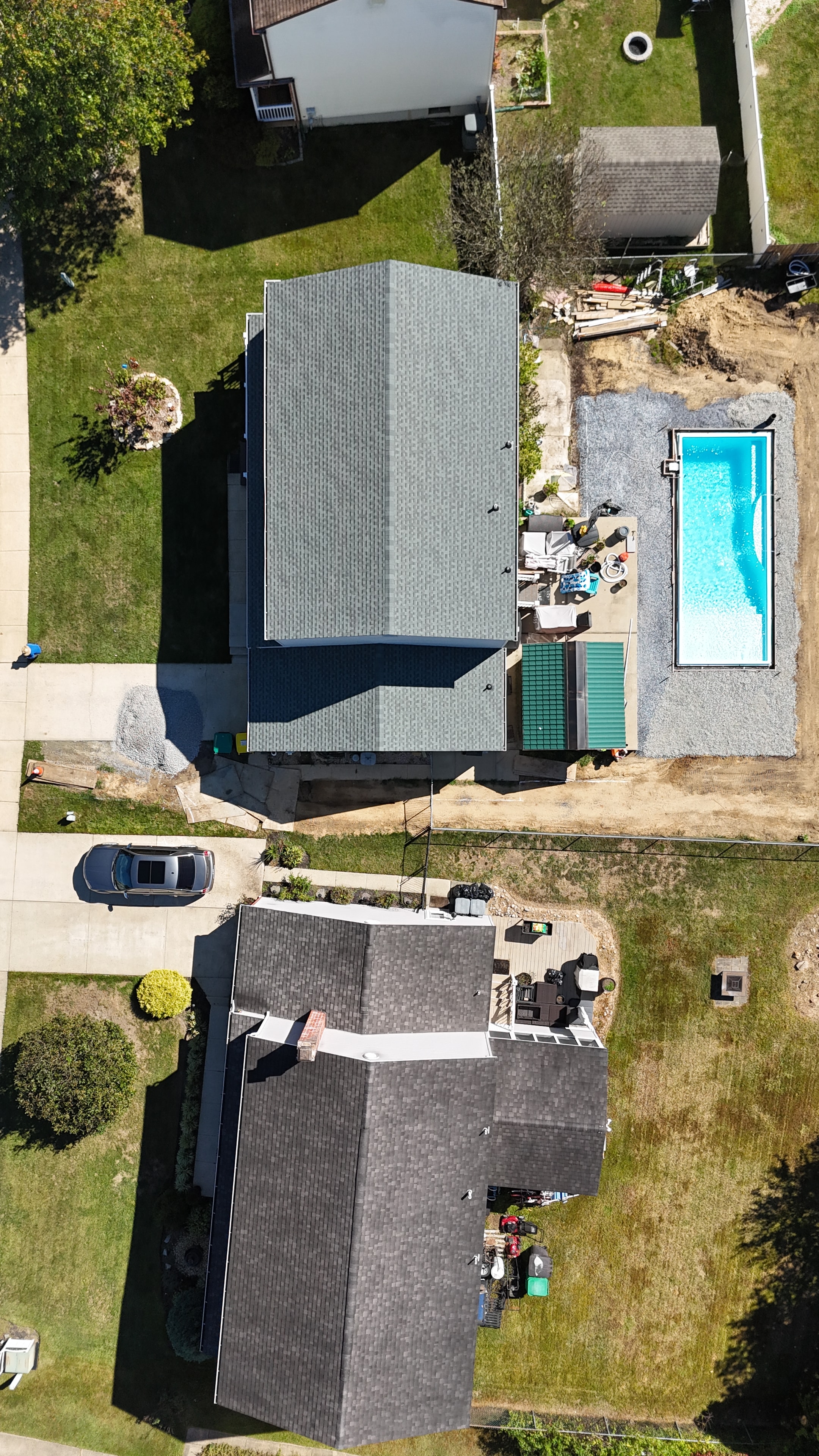
Fiberglass: The shell is installed in a single day. Total project time from excavation to swim-ready is typically 3 to 6 weeks, depending on decking, fencing, and landscaping.
Concrete: Built from scratch on-site, concrete pools take 3 to 6 months to complete. Weather delays, curing time, and the plastering process all add to the timeline.
Winner: Fiberglass — if you want to be swimming this season, fiberglass is the clear choice.
Cost
Fiberglass: Lower upfront cost than a comparable concrete pool. Because the shell is pre-manufactured, labor time on-site is significantly reduced.
Concrete: Higher upfront cost due to the labor-intensive construction process. Ongoing costs are also higher — concrete surfaces need to be acid-washed and replastered every 10 to 15 years, which can run $10,000 or more.
Winner: Fiberglass — both upfront and over the lifetime of the pool.
Maintenance
This is where fiberglass really separates itself.
Fiberglass: The smooth, non-porous surface does not harbor algae the way concrete does. You will use significantly fewer chemicals, and routine cleaning is much easier. Most fiberglass pool owners spend 70% less on chemicals annually compared to concrete.
Concrete: The rough, porous surface is a breeding ground for algae. Concrete pools require more frequent brushing, higher chemical doses, and more vigilant water chemistry management. Expect to spend more time and money keeping the water balanced.
Winner: Fiberglass — by a wide margin.
Durability
Fiberglass: The shell is flexible, which actually helps it handle ground movement and freeze-thaw cycles better than rigid concrete. San Juan fiberglass pools come with a lifetime structural warranty — one of the strongest in the industry.
Concrete: Extremely durable when properly maintained, but the plaster surface degrades over time and will need to be refinished. Cracks can develop, especially in areas with significant ground movement or temperature swings.
Winner: Tie — both are long-lasting when properly cared for, but fiberglass requires less intervention to stay that way.
Design Flexibility
Fiberglass: Pools come in pre-set shapes and sizes from the manufacturer. San Juan offers a wide range of shapes — from classic rectangles to freeform designs — but you are choosing from an existing catalog rather than designing from scratch.
Concrete: Can be built in any shape, size, or depth. If you have a very unusual yard, want a truly custom shape, or need a pool larger than standard fiberglass sizes, concrete offers more flexibility.
Winner: Concrete — for truly custom or oversized designs.
Surface Feel
Fiberglass: Smooth and comfortable underfoot. No rough surfaces to scrape against.
Concrete: The plaster or aggregate surface can be rough, especially as it ages. Some finishes are smoother than others, but fiberglass is generally more comfortable.
Winner: Fiberglass
So Which Should You Choose?
For most homeowners in Maryland, Delaware, and Pennsylvania, fiberglass is the better choice. Here is a quick summary:
- Choose fiberglass if you want lower maintenance, faster installation, lower lifetime cost, and a comfortable surface.
- Choose concrete if you need a truly custom shape, an unusually large pool, or a specific depth configuration that fiberglass cannot accommodate.
At LandPro, we are proud San Juan Pools dealers. We have seen firsthand how well these pools hold up over the years, and we stand behind every installation we complete.
Ready to Get Started?
If you are thinking about adding a pool to your backyard, we would love to walk you through your options. We handle everything — from the initial design and excavation to the patio, fencing, and landscaping — so you have one team and one point of contact throughout the entire project.
Contact us today for a free quote, or learn more about our San Juan Pools installations.
Explore Topics
Written by
LandPro Patio and Pool
Content creator and writer sharing insights and stories.